MEDIAAKSI.COM – Embarking on a 300-hour yoga teacher training in Bali represents one of the most transformative journeys you can take as a dedicated yoga practitioner. This comprehensive guide will help you navigate everything you need to know about pursuing your RYT-300 certification in one of the world’s most spiritually enriching destinations.
Whether you’re a 200-hour graduate ready to deepen your practice or an experienced teacher seeking advanced specialisation, Bali offers an unparalleled setting for yoga education that combines ancient wisdom with modern teaching methodologies.
Why Take a 300-Hour Yoga Teacher Training in Bali?
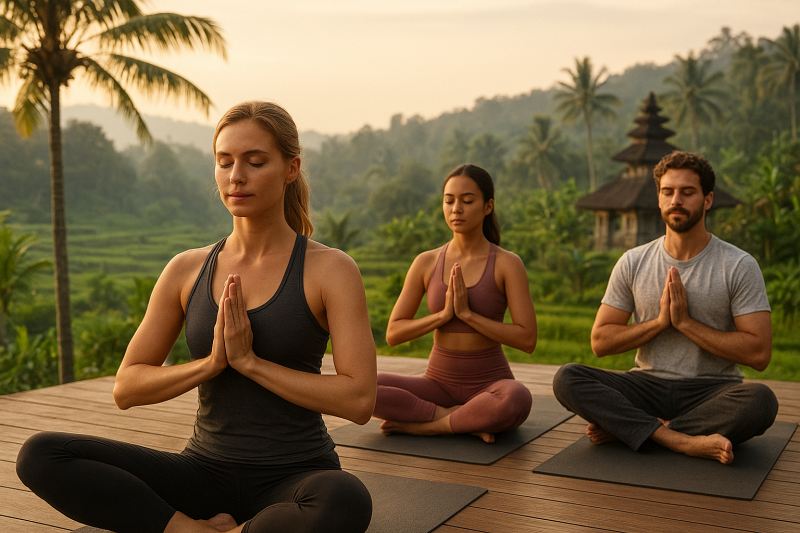
Bali has emerged as the global epicentre for yoga teacher training, and for compelling reasons. The island’s spiritual energy, deeply rooted Hindu traditions, and breathtaking natural beauty create an immersive environment that enhances both learning and personal transformation.
A 300-hour yoga teacher training builds upon your foundational 200-hour certification, diving deeper into advanced teaching techniques, philosophy, and specialised practices. In Bali, this education takes on additional dimensions through cultural immersion and authentic spiritual practices that have been preserved for centuries.
The benefits extend far beyond the classroom. You’ll join a global community of practitioners, receive mentorship from world-renowned teachers, and develop skills that set you apart in the competitive yoga industry. The intensive format allows for complete immersion without the distractions of daily life, accelerating your growth as both practitioner and teacher.
Most importantly, completing your 300-hour training positions you for RYT-500 registration with Yoga Alliance once combined with your 200-hour certification. This advanced credential opens doors to higher-level teaching opportunities, retreat leadership, and specialised workshop facilitation.
The tropical setting also provides year-round favourable conditions for practice, with outdoor shalas, natural swimming pools, and hiking trails that complement your formal education with organic movement and mindfulness opportunities.
Who This 300-Hour YTT Is For
A 300-hour yoga teacher training is specifically designed for those who have already completed their foundational education and are ready to advance their expertise. Most programs require proof of a 200-hour certification and some teaching experience, though the specific requirements vary by school.
This training is ideal for 200-hour graduates who feel called to deepen their understanding of yoga beyond the basics. Many participants are existing teachers seeking to refine their skills, add specialisations to their offerings, or overcome teaching plateaus.
Career pivoters also find tremendous value in 300-hour programs. If you’re transitioning from another profession into yoga instruction, the advanced training provides credibility and depth that accelerates your career development.
The training particularly appeals to those drawn to specialized areas like trauma-informed yoga, advanced anatomy, or specific styles such as Yin or Ashtanga. The intensive format in Bali allows for focused exploration of these niches without the constraints of weekend workshop formats.
What “RYT-300” Actually Means
Understanding yoga certifications can be confusing, so let’s clarify exactly what RYT-300 represents and how it fits into your professional development.
Accreditation & Standards
RYT stands for Registered Yoga Teacher, a designation managed by Yoga Alliance, the largest international yoga credentialing organization. The “300” refers to the additional contact hours of education beyond your initial 200-hour training.
Yoga Alliance sets specific curriculum standards that accredited 300-hour programs must meet. These include advanced study in techniques, teaching methodology, anatomy, philosophy, practicum, and professional development. Schools must demonstrate qualified faculty and maintain specific educational standards to offer accredited programs.
RYT-500 Pathway
The 300-hour training serves as the bridge to RYT-500 status, which represents the highest level of Yoga Alliance teacher registration. Once you complete both 200-hour and 300-hour programs from accredited schools, you’re eligible to register as RYT-500.
This advanced credential typically comes with increased teaching opportunities, higher compensation rates, and the ability to lead advanced workshops and retreats. Many studios prioritize RYT-500 teachers for senior positions and specialized programs.
Certificates vs Registry
It’s crucial to understand that completing a training program provides you with a certificate of completion, but registration with Yoga Alliance is a separate process requiring ongoing education and annual fees. The certificate demonstrates your education level, while registry shows your commitment to professional standards and continuing development.
Bali Hotspots for 300-Hour YTT
Choosing the right location within Bali significantly impacts your training experience. Each area offers distinct advantages depending on your learning style and lifestyle preferences.
Ubud
Ubud remains the spiritual heart of Bali and the most popular choice for yoga teacher trainings. Nestled in the central highlands, Ubud offers a tranquil environment surrounded by rice terraces, ancient temples, and healing centers.
The town’s slower pace supports deep introspection and study, while the abundance of healthy restaurants, meditation centers, and cultural sites enriches your educational experience. Many programs in Ubud incorporate traditional Balinese healing practices and temple visits into their curriculum.
The downside is that Ubud can feel touristy during peak seasons, and the humidity in the inland location can be intense for some practitioners.
Canggu
Canggu appeals to those who prefer a more contemporary environment with beach access. This coastal area combines surf culture with yoga practice, creating a dynamic community of international practitioners and teachers.
The modern infrastructure, excellent cafés, and vibrant nightlife provide a different energy that some find more conducive to learning. Beach practices at sunrise and sunset add a magical dimension to your training experience.
However, Canggu can be more distracting than Ubud, with busier traffic and a party atmosphere that may not suit all learning styles.
Other Areas
Uluwatu offers dramatic clifftop settings with world-class surf breaks, while Sanur provides a quieter beach experience with easy airport access. Each location has merit depending on your priorities for focus, lifestyle, and post-training travel plans.
Core 300-Hour Curriculum: What You’ll Actually Learn
The 300-hour curriculum goes far beyond basic postures and breathing, diving into advanced topics that transform competent teachers into exceptional ones.
Advanced Asana & Biomechanics
Advanced asana practice focuses on understanding movement patterns, injury prevention, and skillful hands-on assists. You’ll learn to read bodies in motion, identify limitations, and provide appropriate modifications for diverse populations.
Biomechanics education covers functional anatomy, joint mobility, and the relationship between structure and movement. This knowledge enables you to teach safely to bodies of all shapes and abilities while preventing common yoga injuries.
Sequencing & Theming
Advanced sequencing goes beyond basic warm-up, peak pose, and cool-down formulas. You’ll learn to create intelligent sequences that serve specific populations, address particular physical needs, and support emotional and energetic shifts.
Theming instruction covers how to weave philosophy, mythology, and seasonal considerations into classes without being superficial or appropriative. Trauma-informed cueing techniques ensure your language supports rather than triggers students from diverse backgrounds.
Pranayama & Meditation
The breath work component typically includes advanced pranayama techniques such as kapalabhati, bhastrika, and nadi shodhana, along with bandha practices and kriya yoga methods.
Meditation instruction covers various approaches from mindfulness to mantra practice, teaching you to guide students into deeper states of awareness and self-inquiry.
Philosophy & Subtle Body
Philosophical studies delve deeper into classical texts like the Yoga Sutras and Bhagavad Gita, exploring their practical applications in modern life and teaching.
Subtle body education covers the chakra system, nadis (energy channels), and koshas (layers of being), providing frameworks for understanding yoga’s energetic dimensions.
Anatomy & Physiology
Advanced anatomy moves beyond basic muscle groups to explore fascia, nervous system function, and the relationship between breath, posture, and emotional states.
You’ll develop literacy in functional movement patterns and learn to assess and address common postural imbalances that affect your students’ practice and daily life.
Teaching Practicum & Feedback
Extensive practice teaching with detailed feedback forms the heart of most 300-hour programs. You’ll teach to your peers, receive video analysis, and work one-on-one with master teachers to refine your instruction.
This mentorship component is invaluable for developing confidence, finding your authentic teaching voice, and learning to handle challenging teaching situations.
Specializations
Many programs offer tracks in specialized areas such as Yin Yoga, Restorative Yoga, Ashtanga Vinyasa, or Ayurvedic principles. These specializations allow you to develop marketable niches that set you apart in the teaching marketplace.
Schedule, Duration, and Format
Most 300-hour programs in Bali follow an intensive residential format lasting 4-6 weeks. This immersive approach allows for deep learning without external distractions, though it requires a significant time commitment.
A typical daily schedule might include morning meditation and pranayama, asana practice, philosophical studies, anatomy lectures, teaching practicum, and evening reflection or kirtan. The intensity is balanced with rest days and cultural excursions.
Some schools offer modular formats spread over several months, allowing participants to maintain work and family commitments. However, the residential intensive format generally provides more transformative results due to the complete immersion experience.
Contact hours refer to direct instruction time, while non-contact hours include self-study, reading assignments, and personal practice requirements that support the formal curriculum.
Costs & What’s Included
Investment in a 300-hour training typically ranges from $3,000 to $8,000, with variations based on faculty experience, class size, location, and included amenities.
Higher-priced programs often include accommodation, all meals, airport transfers, cultural excursions, and comprehensive manual sets. Budget-friendly options may cover tuition only, requiring separate arrangements for lodging and meals.
Standard inclusions typically cover tuition, teaching materials, and certification upon completion. Many programs provide shared accommodation in traditional Balinese compounds or modern retreat centers, creating community bonds that enhance the learning experience.
Hidden costs to budget for include international flights, visa fees, travel insurance, additional meals and activities, laundry, and personal items. Indonesia currently offers visa-on-arrival or e-visa options for most nationalities, typically costing $35-50.
Quality programs invest in experienced faculty, maintain small class sizes for personalized attention, and provide comprehensive support throughout your stay. While cost is a factor, choosing solely based on price often results in compromised educational quality.
How to Choose the Right 300-Hour YTT in Bali
Selecting the ideal program requires careful evaluation of multiple factors beyond marketing promises and Instagram-worthy photos.
Faculty Experience & Lineage
Research lead teachers’ backgrounds, certifications, and teaching experience. Look for instructors with advanced credentials, established lineages, and demonstrable expertise in their specialization areas.
Authentic masters often have studied extensively in India, hold multiple certifications, and have years of teaching experience across diverse populations. Be wary of programs led by recently certified teachers without substantial experience.
Class Size & Mentorship
Smaller class sizes enable personalized attention and meaningful mentorship relationships. Programs with 15-20 students typically provide optimal learning environments, while larger groups may feel impersonal.
The student-teacher ratio affects the quality of feedback during teaching practice, individual attention for adjustments, and opportunities for one-on-one guidance with master teachers.
Curriculum Depth vs Buzzwords
Examine the curriculum specifics rather than being swayed by trendy terminology. Quality programs provide detailed syllabi, clear learning objectives, and substantial practicum hours.
Assessment methods should include multiple components: written exams, practical demonstrations, and teaching evaluations. Programs that simply require attendance without rigorous assessment may not provide adequate preparation for advanced teaching.
Reviews & Graduate Outcomes
Seek specific testimonials from recent graduates that detail their learning experience and post-training outcomes. Authentic reviews discuss challenges as well as benefits and provide concrete examples of skill development.
Contact alumni directly if possible to get unfiltered perspectives on program quality, instructor effectiveness, and overall satisfaction with their investment.
Ethics & Inclusivity
Modern yoga education must address cultural appropriation, trauma-sensitive teaching, and inclusive practices. Quality programs acknowledge yoga’s roots while teaching respectfully and avoiding spiritual bypassing.
Look for schools that demonstrate cultural sensitivity, employ local teachers when appropriate, and contribute meaningfully to the Balinese community rather than simply extracting from it.
Logistics
Ensure the school provides clear guidance on visa requirements, airport transfers, accommodation standards, and emergency procedures. Professional programs handle these details seamlessly, allowing you to focus on learning.
Review refund policies, insurance requirements, and health disclosures carefully. Reputable schools maintain transparent policies and provide adequate support for international students.
Life in Bali During Training
Living in Bali during your training offers incredible opportunities for cultural immersion and personal growth beyond the formal curriculum.
Balinese culture emphasizes harmony, community, and spiritual practice, values that naturally support yogic principles. Learning basic Indonesian phrases, understanding temple etiquette, and participating respectfully in local customs enriches your experience significantly.
The island offers abundant wellness resources including traditional healers, massage therapists, and meditation teachers who can support your intensive learning process. Many students incorporate regular treatments to manage the physical and emotional intensity of advanced training.
Nutritious food options abound, from traditional warungs serving nourishing Indonesian cuisine to modern cafés offering international health-conscious options. Most training centers provide guidance on dietary choices that support your practice and learning.
Transportation via scooter provides independence and adventure, though traffic can be challenging for inexperienced riders. Many students enjoy the slower pace of bicycle transportation or arranged group transport.
Staying focused amid Bali’s many distractions requires discipline and clear intentions. The island’s beauty and recreational opportunities can be overwhelming, so successful students balance exploration with study commitments.
Career Outcomes After a 300-Hour YTT
Completing your 300-hour training significantly expands your professional opportunities and earning potential within the yoga industry.
Studio teaching positions often prioritize RYT-500 teachers for advanced classes, teacher training assistance, and workshop leadership. The additional credentials typically command 20-40% higher per-class rates compared to 200-hour teachers.
Retreat leadership becomes accessible with advanced training, as retreat centers and tour companies seek experienced teachers capable of handling diverse groups and challenging situations. International retreat leading can provide substantial income and travel opportunities.
Corporate wellness programs increasingly value teachers with advanced training for employee programs, executive coaching, and stress management workshops. The business skills and professional development components of 300-hour training prepare you for these lucrative markets.
Online teaching platforms favor instructors with comprehensive credentials and specialized skills. Your advanced training enables you to create premium content, lead online workshops, and develop signature programs that stand out in crowded digital markets.
Building niche expertise in areas like prenatal yoga, trauma-informed practice, or specific populations becomes possible with the depth of knowledge gained in advanced training. These specializations often command premium rates and create loyal student followings.
Application Checklist
Required Documentation: • Proof of 200-hour certification from accredited school • Teaching log demonstrating minimum experience (varies by program) • Personal statement explaining your intentions and goals • Health disclosure form and medical clearance if required • Passport copy with minimum 6 months validity • Professional references from previous teachers or students
Financial Requirements: • Non-refundable deposit (typically $500-1,000) • Proof of remaining tuition payment capability • Travel insurance covering medical emergencies and evacuation • Budget documentation for living expenses during training
Preparation Materials: • Required reading list completion • Physical fitness assessment if requested • Dietary restrictions and accommodation preferences • Emergency contact information and next-of-kin details
Common Mistakes to Avoid
Price-Only Decision Making: Choosing the cheapest option often results in inadequate instruction, overcrowded classes, and minimal individual attention. Quality education is an investment that pays dividends throughout your teaching career.
Ignoring Faculty Qualifications: Impressive social media presence doesn’t equal teaching competence. Research instructors’ actual credentials, lineage, and teaching experience rather than follower counts.
Underestimating Practicum Importance: Programs with minimal teaching practice leave graduates unprepared for real classroom situations. Prioritize schools offering substantial peer teaching and feedback opportunities.
Intensity Underestimation: Advanced training is physically and emotionally demanding. Prepare with consistent practice, good physical condition, and realistic expectations about the challenge level.
Inadequate Rest Budgeting: Many students plan activities immediately following intensive training, leading to burnout and reduced integration of learning. Build in recovery time to process and embody new knowledge.
For serious teachers, absolutely. The advanced credential opens higher-paying opportunities, enables specialization development, and provides depth that 200-hour training cannot match. Most graduates report significant increases in confidence and earning potential. Yes, all reputable 300-hour programs require prior 200-hour completion. This foundational training provides essential knowledge that advanced programs build upon. Most intensive programs run 4-6 weeks. Some schools offer modular options over 6-12 months, though intensive formats generally provide more transformative experiences. Total investment, including tuition, accommodation, meals, and travel typically ranges $5,000-12,000. Costs vary significantly based on program inclusions and personal spending choices. Many programs are, but verify accreditation directly with Yoga Alliance. Only accredited programs count toward RYT-500 eligibility. Intensive programs are full-time commitments incompatible with work obligations. The physical and mental demands require complete focus for optimal results. Upon completion of an accredited 300-hour program plus your existing 200-hour certification, you can register for RYT-500 status with Yoga Alliance. Most nationalities can obtain tourist visas on arrival or e-visas for Indonesia. Travel insurance covering medical emergencies and evacuation is essential. Check current requirements with Indonesian embassy before departure.Frequently Asked Questions
Is a 300-hour YTT worth it?
Do I need a 200-hour first?
How long does a 300-hour take in Bali?
What does it cost on average?
Is it Yoga Alliance approved?
Can I work while training?
Will I be eligible for RYT-500?
What about visas and travel insurance?
Final Thoughts & Next Steps
A 300-hour yoga teacher training in Bali represents far more than credential advancement—it’s a profound journey of personal transformation and professional development set in one of the world’s most spiritually rich environments.
The combination of ancient wisdom, modern teaching methods, and Bali’s transformative energy creates optimal conditions for deepening your practice and refining your teaching skills. Whether you’re drawn to advanced anatomy, philosophical studies, or specialized practices, Bali offers world-class programs to match your aspirations.
As you shortlist potential programs, prioritize faculty experience, curriculum depth, and authentic cultural integration over price alone. The investment in quality education pays dividends throughout your teaching career through increased opportunities, higher compensation, and the satisfaction of serving students from a place of genuine expertise.
Your next step is to research specific programs, connect with alumni, and apply to schools that align with your learning style and professional goals. The journey of a thousand miles begins with a single step—let Bali be the setting for your next transformative leap forward in yoga education.